A Cooler Plan for Hot-Weather Camp Days
Adjust timing, shade, clothing and effort before heat becomes an emergency.
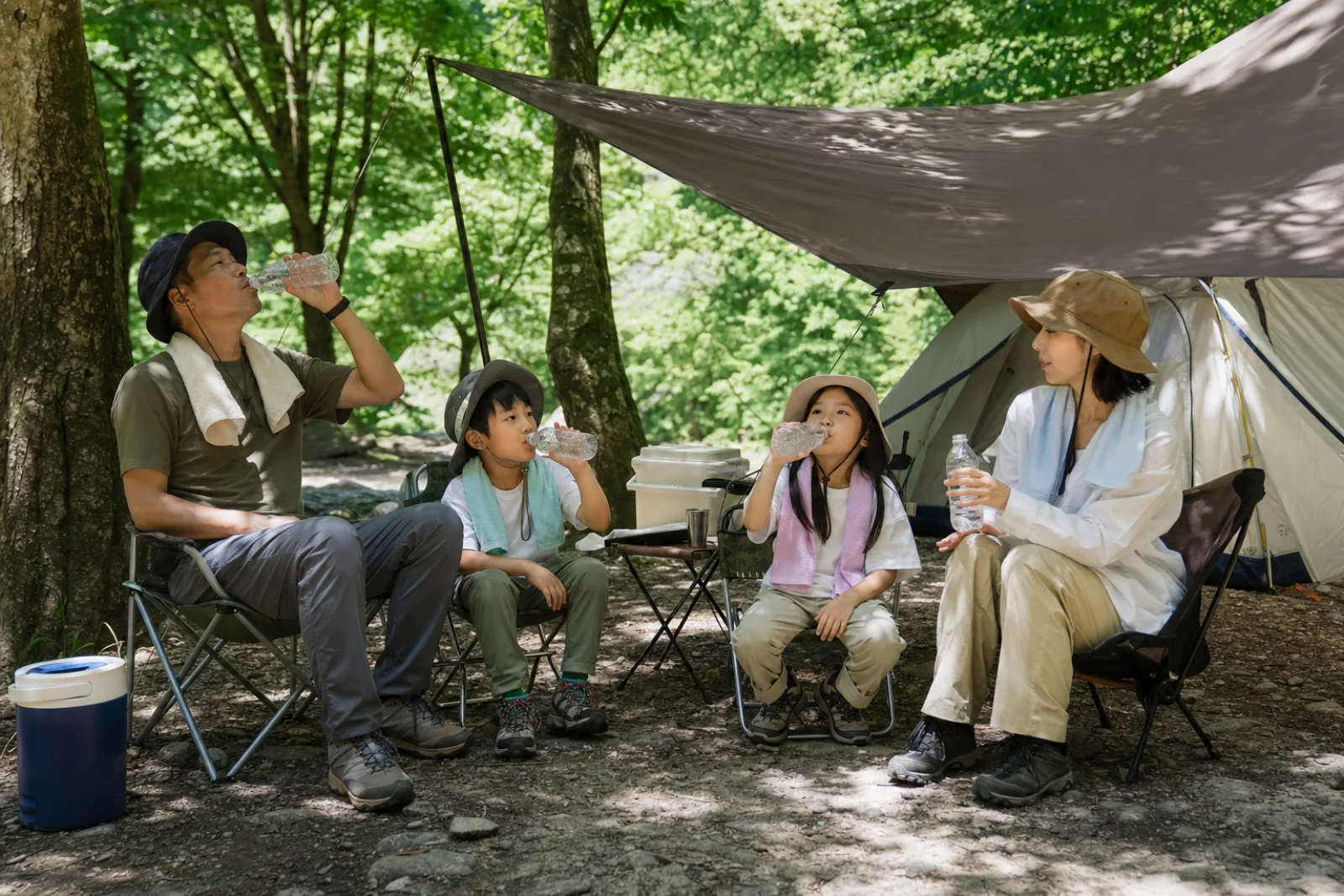
Heat changes more than comfort. It affects sleep, appetite, water needs, medication storage and how much activity a child or adult can safely handle. The most effective response is to redesign the day before anyone begins feeling ill.
Move activity out of peak heat
Plan walks, setup and active games for early morning or evening. Use the hottest hours for shade, quiet play or an air-conditioned break away from camp. Choose routes with short exits and known water access. New arrivals need time to acclimate, so the first hot day should be easier than the family’s normal effort.
Dress for evaporation and shade
Lightweight, loose clothing can help the body release heat. Add a brimmed hat, sunglasses and sun-protective layers appropriate to the activity. Apply sunscreen according to its current label and reapply after swimming, heavy sweating or towel drying. Babies and people taking sun-sensitive medications need advice specific to them from qualified health sources.
Make drinking easy to monitor
Give each person an accessible bottle and schedule regular pauses without turning hydration into a contest. Needs vary with temperature, humidity, body size, effort and health. Food and electrolytes may matter during prolonged activity, while excessive water can also be dangerous. Avoid universal volume rules and follow a clinician’s guidance for medical conditions.
Notice heat illness early
Heavy sweating, unusual fatigue, headache, nausea, dizziness, cramps or faintness can signal heat stress. Stop activity, move into shade, remove excess layers and begin cooling. Confusion, disorientation, loss of consciousness or very high body temperature can indicate heat stroke, a life-threatening emergency requiring rapid cooling and emergency medical care.
Set a cancellation threshold
Check the official forecast, heat index, overnight low, air quality and local alerts before departure and each morning. A shaded campsite does not guarantee a safe afternoon, and a hot night can prevent recovery. Keep the vehicle key, communication device and directions to a cooling location immediately available. Know where the family can cool down and how to contact help. If reliable shade, adequate water or an emergency exit is unavailable, change the day’s plan or leave.