A Family Bug Check and Bite Response
Prevent common bites, inspect everyone and recognize when help is urgent.
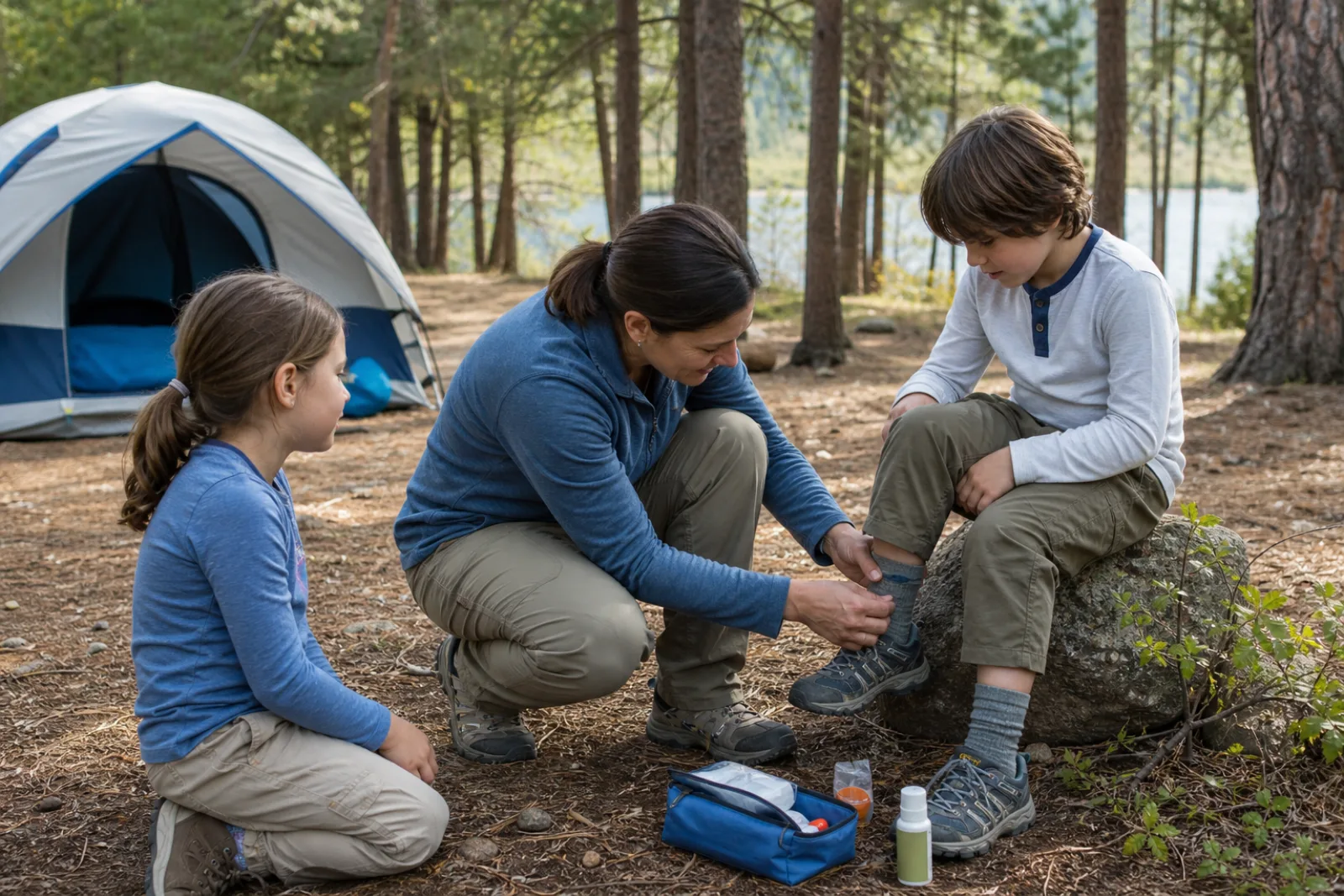
Most bites and stings are uncomfortable rather than dangerous, but prevention and a calm routine keep a small problem from becoming an infected wound or missed allergic reaction. Medical needs vary, so this plan supports preparation and does not replace professional diagnosis or first-aid training.
Reduce contact first
Research common mosquitoes, ticks and stinging insects at the destination. Wear long sleeves and trousers where appropriate, stay near the center of brushy trails and inspect the site for nests before children explore. Use repellents only according to the product label, especially on children; avoid eyes, mouth, hands and broken skin as directed.
Create a nightly inspection
Check socks, waistbands, hair, behind knees and other hidden areas after outdoor activity. Ticks can be extremely small and bites may not be felt. Use good light and have family members help with areas a person cannot see. Inspect clothing and follow current public-health guidance for washing or drying items after time in tick habitat.
Handle simple reactions carefully
Move away from a nest or swarm before treating anyone. Remove a visible bee stinger promptly, then clean the area and use a cold compress for ordinary pain or swelling. Avoid scratching because broken skin can become infected. Follow a clinician’s existing plan for known allergies and use only medicines labeled for the person’s age and condition.
Remove ticks with the right tool
Use fine-tipped tweezers to grasp close to the skin at the tick’s mouthparts, then pull upward with steady pressure without twisting or crushing the body. Clean the bite and hands afterward. Save the date and location of exposure and monitor for symptoms according to current health-agency advice; testing recommendations vary by region.
Know the emergency line
Trouble breathing, facial or tongue swelling, confusion, faintness or a rapidly worsening whole-body reaction requires emergency care. Certain spider or scorpion exposures also need prompt medical evaluation. Before travel, confirm the nearest appropriate facility and emergency contact method. Carry a written allergy plan where another adult can find it. Disease ranges and treatment guidance change, so verify current advice with CDC, local public-health agencies and a qualified medical professional.