Choose Kids’ Camping Gear That Earns Its Space
Prioritize fit, comfort and multi-use gear instead of packing every child product.
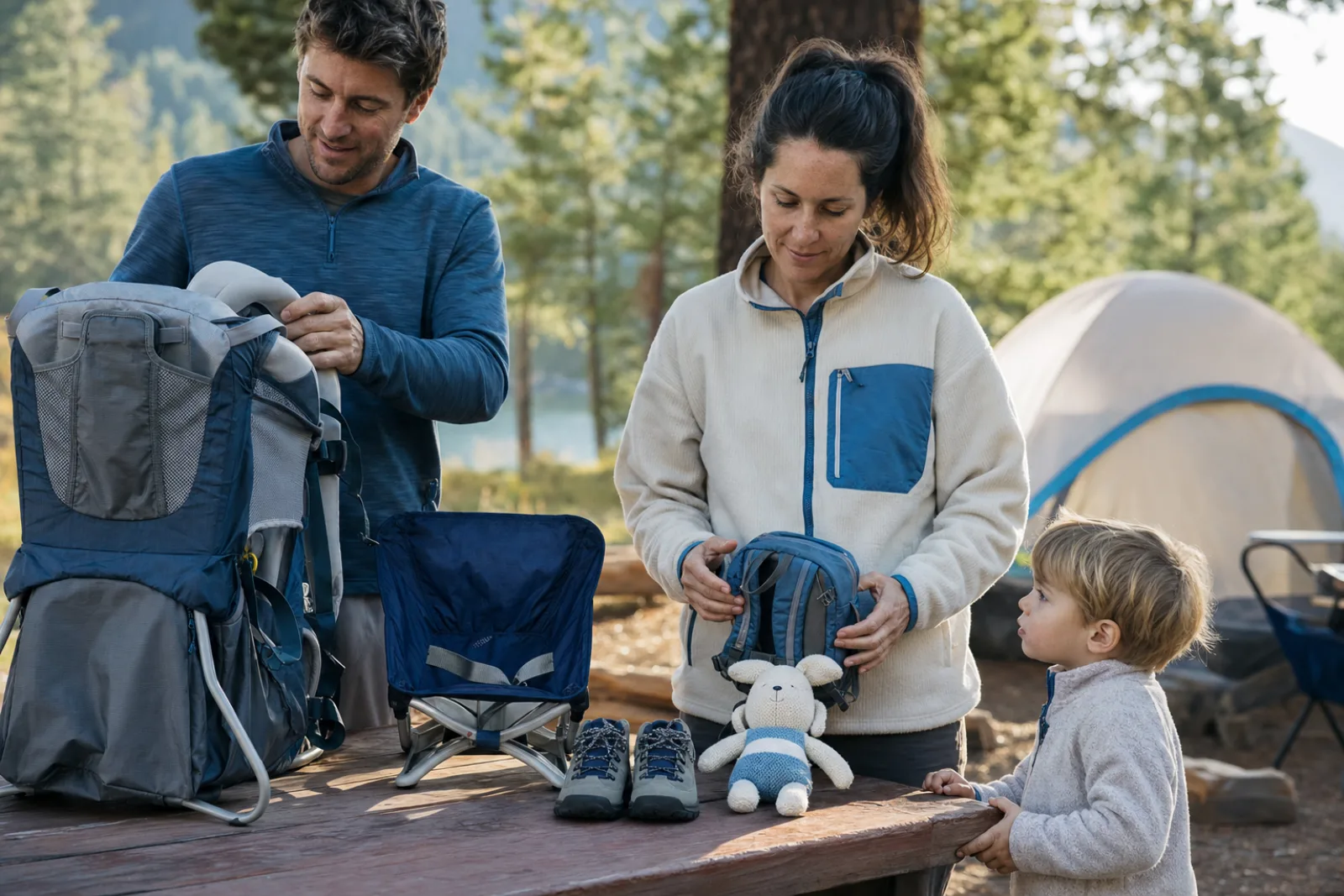
Prioritize fit, comfort and multi-use gear instead of packing every child product. Choose Kids’ Camping Gear That Earns Its Space is easiest to put into practice when the family begins with start with needs, not products and makes each later choice fit the actual campsite, season, group, and length of stay. Use these ideas as a planning framework rather than a rigid schedule or universal shopping list. The right version is the one that protects comfort and safety without adding work the group does not need.
Start with needs, not products
List the child’s sleep, warmth, mobility, hygiene, and supervision needs before browsing equipment. Age and abilities change quickly, so gear that was essential last season may no longer fit. Borrowing, buying used, or sharing within a family group can reduce waste.
Check fit and condition
Inspect sleeping bags, carriers, flotation devices, helmets, chairs, and footwear before the trip. Follow manufacturer age, weight, and use limits. Retire damaged safety equipment, and never improvise repairs where failure could lead to a fall, burn, exposure, or water incident.
Favor items with several jobs
A well-ventilated travel shelter may provide a nap space, insect barrier, and shade when used as directed. A washable tote can organize clothing at camp and contain dirty gear on the return. Multi-use choices save vehicle space without removing important capability.
Plan nighttime independence carefully
Child-sized lights and accessible footwear can support older children, but adults should set boundaries for nighttime movement. Younger children need escorted bathroom trips. A travel toilet may help some families, provided waste is handled according to campground rules and local guidance.
Reassess after every trip
Record which items improved the experience, which stayed untouched, and what was difficult to use. Clean and dry gear before storage, check sizes before the next trip, and pass along serviceable products that the family has outgrown.
Make reassess after every trip part of the family’s final review, and keep essential information and equipment where the responsible adult can reach them. Before departure, check the specific campground’s official page and the appropriate local authorities for current facilities, closures, fire restrictions, water status, weather, and activity rules. Those current instructions always take priority over the general approach in Choose Kids’ Camping Gear That Earns Its Space.