Choose a Cold-Weather Sleeping Bag
Compare temperature guidance, insulation and fit for more comfortable cold nights.
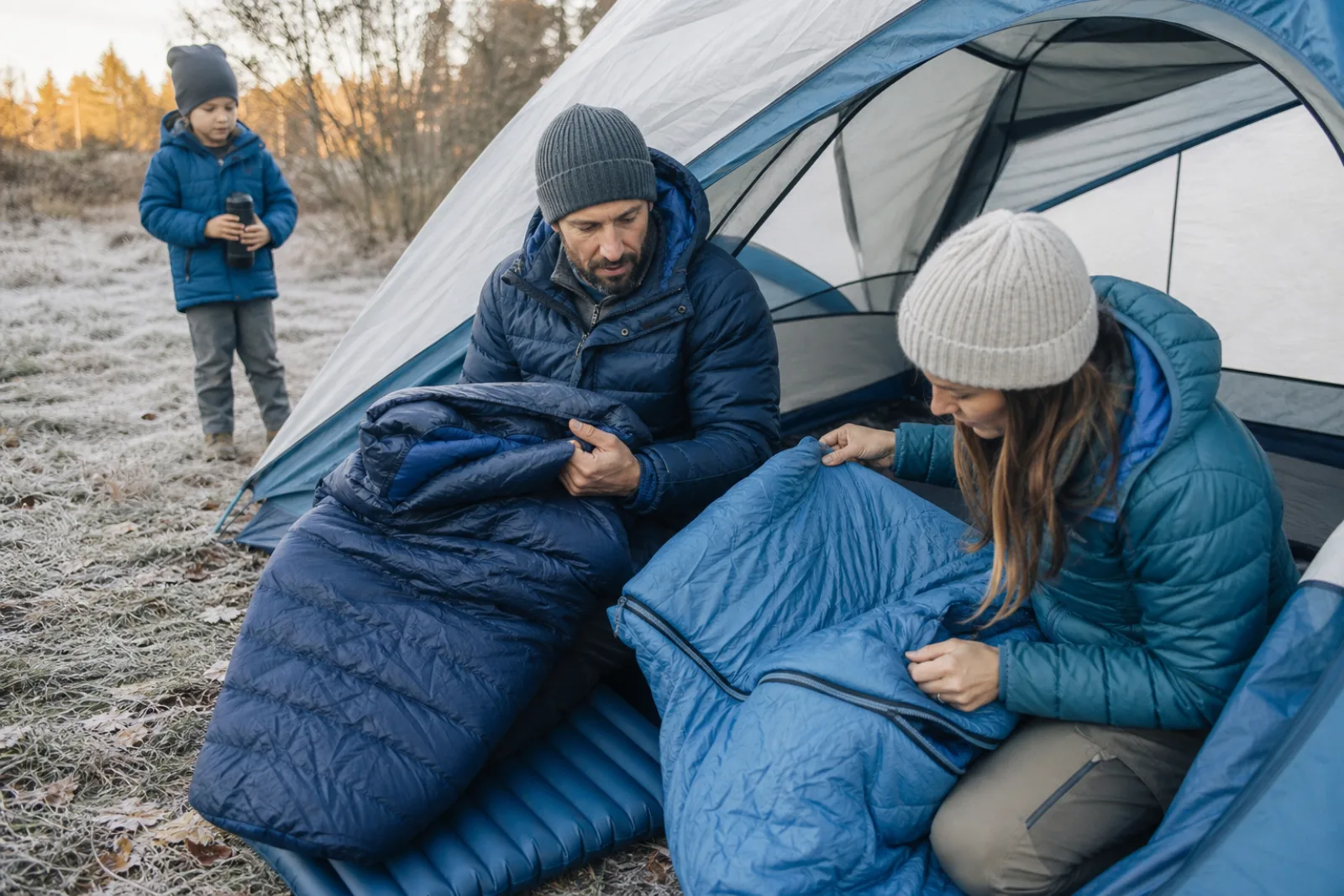
Compare temperature guidance, insulation and fit for more comfortable cold nights. Choose a Cold-Weather Sleeping Bag is easiest to put into practice when the family begins with start with expected conditions and makes each later choice fit the actual campsite, season, group, and length of stay. Use these ideas as a planning framework rather than a rigid schedule or universal shopping list. The right version is the one that protects comfort and safety without adding work the group does not need.
Start with expected conditions
Look at typical and forecast overnight lows for the exact location and dates, then allow for the sleeper, shelter, sleep clothing, and sleeping pad. A product temperature label is useful comparison information, not a guarantee that every person will feel equally warm.
Understand the rating
Read the manufacturer’s explanation of comfort, limit, and extreme ratings instead of relying on one prominent number. Compare bags tested under compatible standards when possible. Children, cold sleepers, and anyone with health concerns may need a more conservative plan.
Compare insulation tradeoffs
Down insulation can provide strong warmth for its packed weight but needs careful moisture management. Synthetic insulation often retains more performance when damp and can be easier on some budgets. Construction, fill quality, and the complete bag matter more than a material label alone.
Check shape and fit
A close-fitting mummy shape limits unused air but may feel restrictive, while roomier shapes can suit restless sleepers at the cost of more space to warm. Confirm length, shoulder room, hood adjustment, zipper operation, and whether the child-specific model fits safely.
Complete the sleep system
Pair the bag with an insulated sleeping pad, dry base layers, a suitable shelter, and a plan for condensation. Test the full system in controlled conditions before a remote trip. Never depend on unvented combustion heaters inside a tent to compensate for unsuitable sleep gear.
Make complete the sleep system part of the family’s final review, and keep essential information and equipment where the responsible adult can reach them. Before departure, check the specific campground’s official page and the appropriate local authorities for current facilities, closures, fire restrictions, water status, weather, and activity rules. Those current instructions always take priority over the general approach in Choose a Cold-Weather Sleeping Bag.